
What we build
Projects break at the seams
The enclosure fits until the board grows. The console works until somebody asks it for a number the schema cannot answer. Those failures happen between specialists, and when four suppliers own four pieces, the gap between them belongs to nobody. SpaltX takes all four.



01 / The lines
Custom software
Machine learning
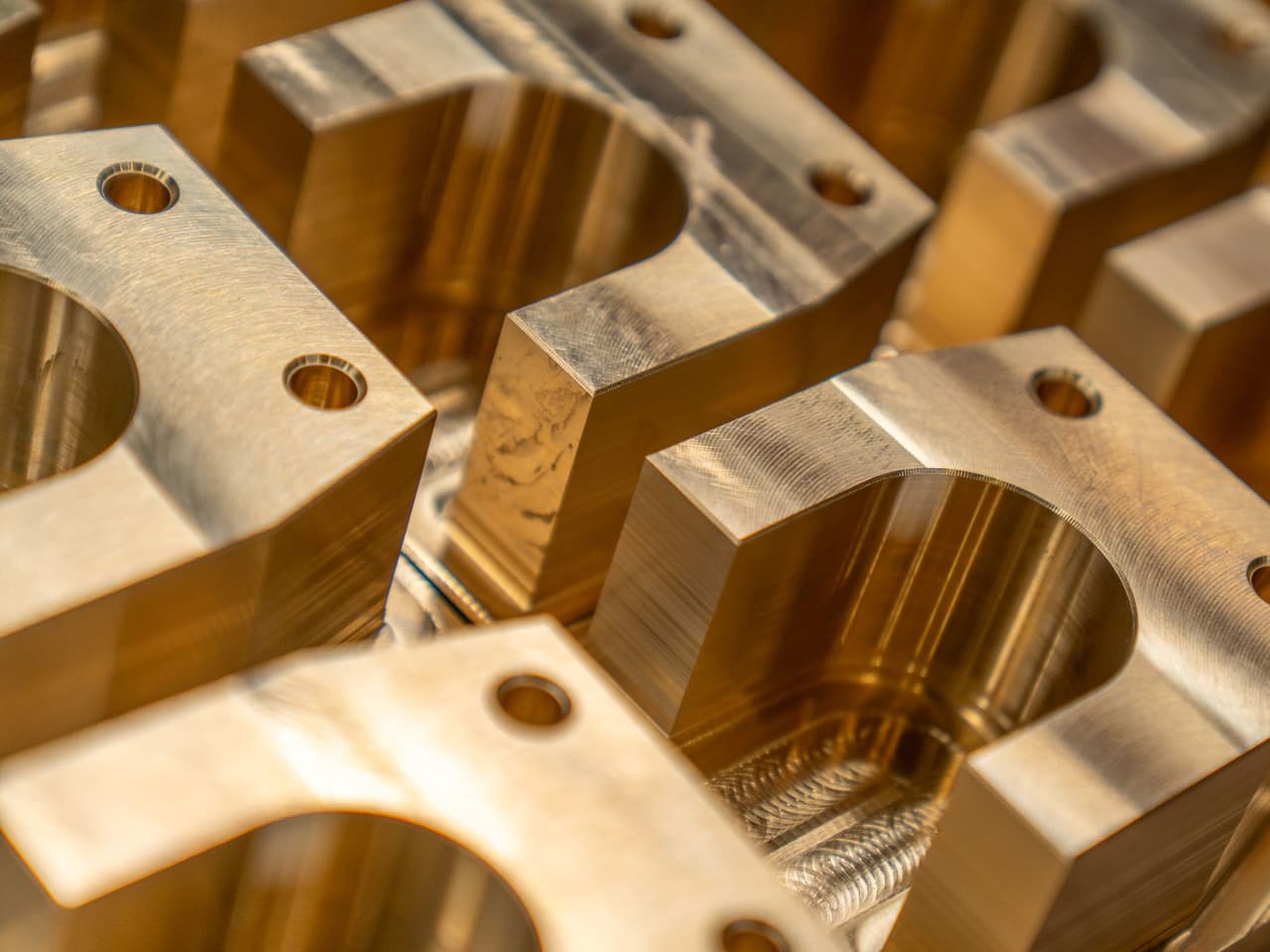
Mechanical design
3D printing
Not sure it should be built at all, or holding two quotes that disagree? Consulting is the engagement that answers that first.
An assessment of what you already have, and what it would take to change it.02 / How work arrives
You do not have to know which line you need
Most of what reaches us does not sit inside one of the four. Describe the problem and the split is our job to work out.
The whole build
A product that needs software written, a part drawn, that part printed and a model trained to read what it sees. It arrives as one proposal against one schedule instead of four quotes that each assume somebody else handles the gap.
The one line you are short of
You have a team and it is missing a discipline. We take that piece, work to your schedule and your conventions, and hand it back in a form your own people can carry on with.
Something already built
An application somebody else wrote and nobody left notes on, or a part that has to be replaced and has no model anywhere. Reading unfamiliar work and making it safe to change is ordinary here, and we will tell you when starting again is the cheaper answer.
Drawn here, printed here
A part modelled and then made in the same building. When the first fit is wrong the fix is an afternoon, because nothing has to be re-quoted, re-ordered or shipped back.
03 / Priced after questions
Scoped first, then quoted
There is no rate card on this site. A number written before anyone has asked what the thing actually has to do is a guess, and the person who pays for a wrong guess is always the client.
So a new project gets questions first, from whoever would do the work. What comes back is a written proposal you accept or decline in your own account, and nothing starts before you do.
Line by line, each with its own figure, and a total.
Start with the problem
What exists today, what you want instead, and roughly when. That is enough to get questions back from the person who would build it.